
Analyzing Today's Crypto Trading: Trends, Volatility, and Strategy Impacts
This report reviews today's crypto trading activity, key price movements, and how different bot strategies performed under recent market conditions.

Overview: Market Movements and Sentiment
Crypto trading presented a blend of price swings and shifting momentum today, with several major coins showing brief rallies in the early session, followed by midday corrections. Bitcoin’s movement seemed driven by wider macroeconomic updates rather than isolated market news, which appeared in the correlation between digital assets and traditional stock indexes observed over the past few hours. While altcoins such as Ethereum and Solana experienced their own spikes, not all gains proved sustainable by closing.
Evaluating Bot Strategies Amidst Volatility
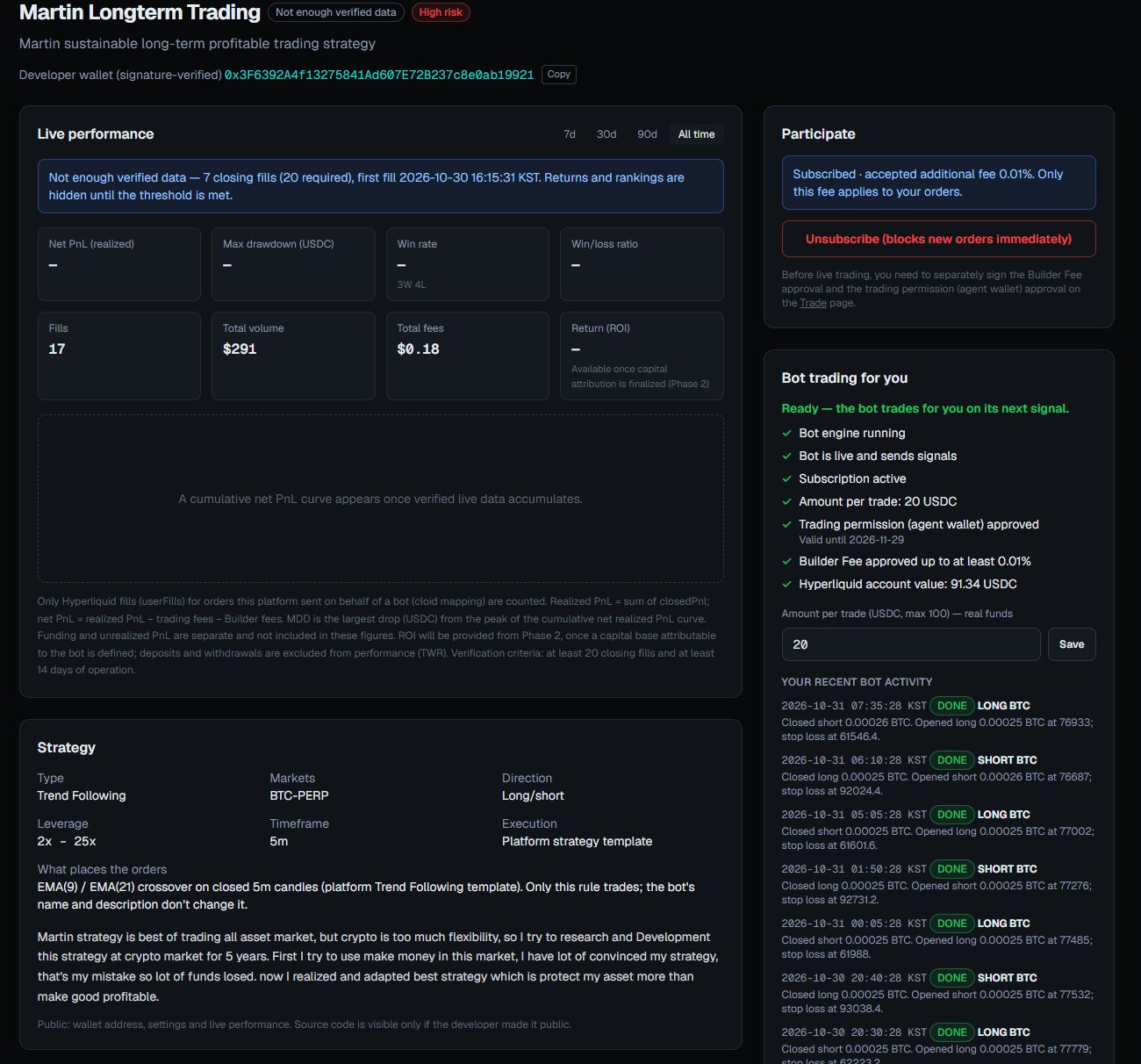
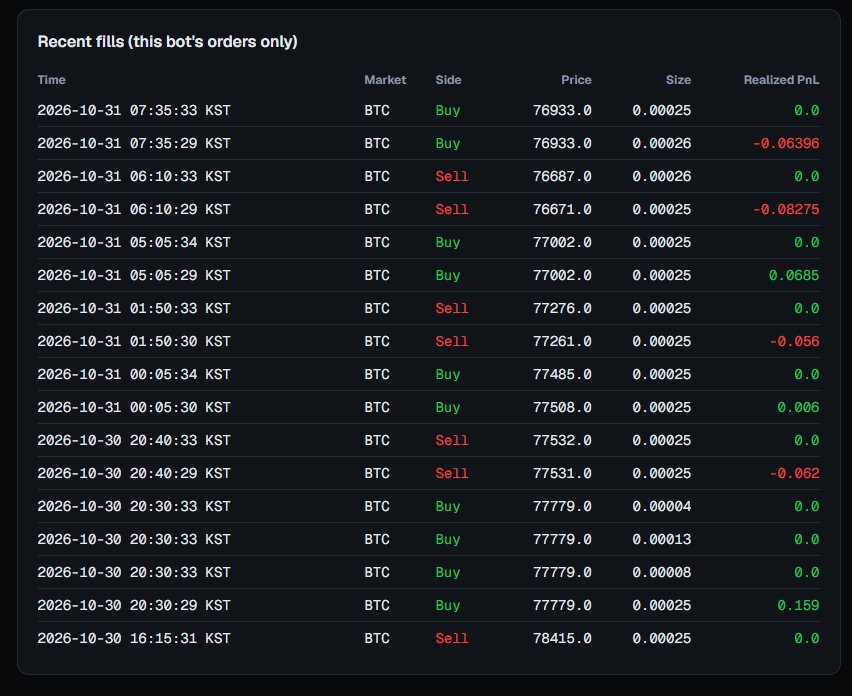
Automated trading strategies provided mixed outcomes throughout the day. Bots configured with tight stop-loss protocols generally limited exposure during the sharper price drops, illustrating the continued importance of clear risk parameters. One approach observed—momentum-based scalping—managed to capture short upward moves, though a few rapid reversals erased positions when volatility spiked quickly. In contrast, grid bots running on lower-cap tokens encountered larger fluctuations, underlining the need for regular monitoring and the difficulty of pre-setting grid intervals during fast-moving sessions.
For copy trading setups, performance varied based on how closely the signals tracked major market news. On days like today, where sentiment can shift rapidly following a single announcement, lagging signal execution became more pronounced, sometimes resulting in missed entries or exits. Regular manual checks on these bots may help uncover these gaps before they broaden.
Opportunities and Cautions Moving Forward
Today’s trading environment reinforced two familiar points: market headlines can turn sentiment quickly, and reliance on pre-programmed logic must be balanced with active supervision. For the coming days, monitoring liquidity pools and spread widening could help in refining bot configurations. Some traders observed potential in pairing mean-reversion strategies with hourly trend-following rules, but these combinations should be tested recursively before significant capital is deployed.
Below is a brief checklist that proved helpful during today's session:
Checked and updated stop-loss limits mid-session
Reviewed bot logs for unusual latency or execution errors
Compared open grid intervals with real-time volatility data
Flagged signals appearing outside of expected trend windows
In summary, active review—alongside automated trade management—remained crucial in navigating today's rapid price cycles and ensuring trading bots adapted to fresh information.
Found this helpful? Share it
Comments 0